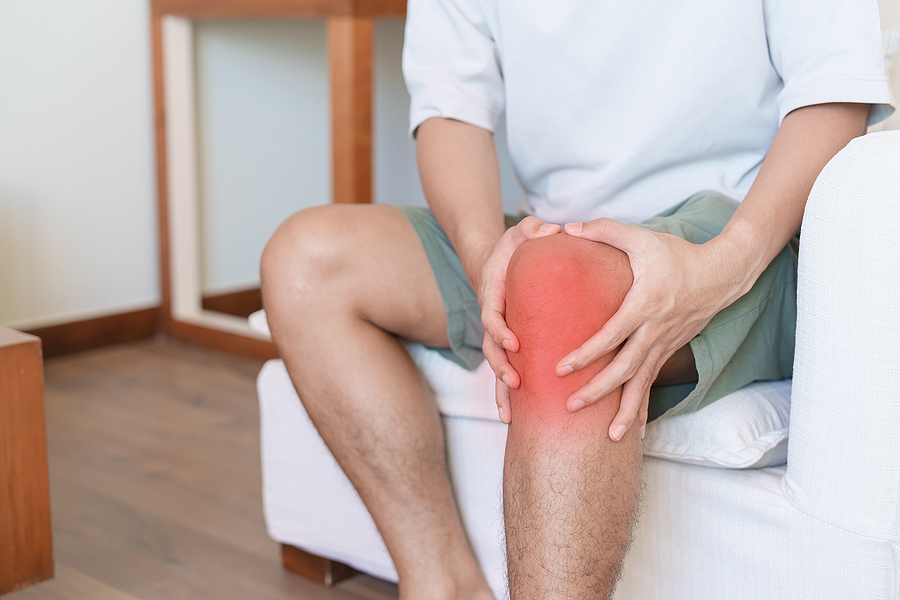
Here’s a little-known truth: there are a lot of physical changes that occur as you age, but chronic pain isn’t one of them. In fact, ongoing pain, stiffness, and reduced mobility aren’t something you should ignore.
If you are suffering from persistent joint discomfort, your body is trying to tell you something, and it’s important that you listen. In many cases, it may be a sign of osteoarthritis, which is a common and manageable condition.
What is Osteoarthritis?
Osteoarthritis develops when the protective cartilage that cushions the ends of the bones begins to break down. As cartilage thins, bones begin rubbing against each other, leading to pain, inflammation, and reduced joint function.
You can develop osteoarthritis in any joint, but it commonly impacts the:
- Hands and fingers
- Knees
- Hips
- Neck
- Lower back
Osteoarthritis is known as “wear-and-tear arthritis” because it becomes more common with age. However, it’s not an inevitable part of getting older.
Risk Factors for Osteoarthritis
Aging is just one of the risk factors for osteoarthritis, especially in post-menopausal women. Several other contributors increase the likelihood of developing the condition, including:
- Obesity
- Previous joint injuries
- Repetitive movements from work or sports that stress the joint
- Genetics
- Bone deformities
Certain metabolic diseases also contribute to osteoarthritis, such as diabetes and hemochromatosis (a condition in which your body has too much iron).
By understanding the risk factors for osteoarthritis, you can take steps to protect your joints and minimize the damage.
Common Osteoarthritis Symptoms
Everyone experiences aches and pains from over-exertion, whether you spent the day doing yard work or hiked your favorite trail. But the symptoms of osteoarthritis go beyond that, and recognizing the signs early can make a significant difference in managing your condition.
1. Persistent Joint Pain
Osteoarthritis symptoms include joint pain that:
- Worsens with activity
- Improves with rest (especially in the early stages)
- Returns consistently
Unlike the temporary soreness from overuse, osteoarthritis pain is ongoing and gradually increases in frequency and intensity.
2. Joint Stiffness
Getting up and going can be tough, especially after waking or sitting for long periods. That’s to be expected as you age. However, stiffness from osteoarthritis typically lasts less than 30 minutes and may improve with gentle movement.
3. Swelling and Tenderness
Soft tissue inflammation can cause visible swelling around the joint, which may worsen after increased activity. The joints also feel tender when you apply light pressure.
4. Reduced Range of Motion
Climbing stairs, getting up from a chair, or gripping objects may become more difficult because you cannot bend or straighten a joint as easily as you once could.
5. Grinding or clicking
As the cartilage at the end of your bones wears down, you may feel or hear:
- Grinding
- Clicking
- Popping
This sensation is known as crepitus and occurs when bone surfaces move against each other without the protective cushioning.

Early Diagnosis Matters
Many people put off seeking care for osteoarthritis. They assume that joint pain is just another sign of aging and that nothing can be done.
However, early diagnosis and treatment can:
- Slow the progression
- Improve your mobility
- Reduce the risk of long-term joint damage
- Improve your quality of life
Our team at Advanced Rheumatology of Houston will work with you to create a customized treatment plan, which may include:
- Physical therapy
- Occupational therapy
- Anti-inflammatory medications
- Steroid shots
In severe cases of osteoarthritis, surgical intervention may be needed.
You don’t need to live in pain. Osteoarthritis is manageable, especially when identified and treated early.
Contact us to schedule your free consultation, because what feels like “just aging” may be treatable.