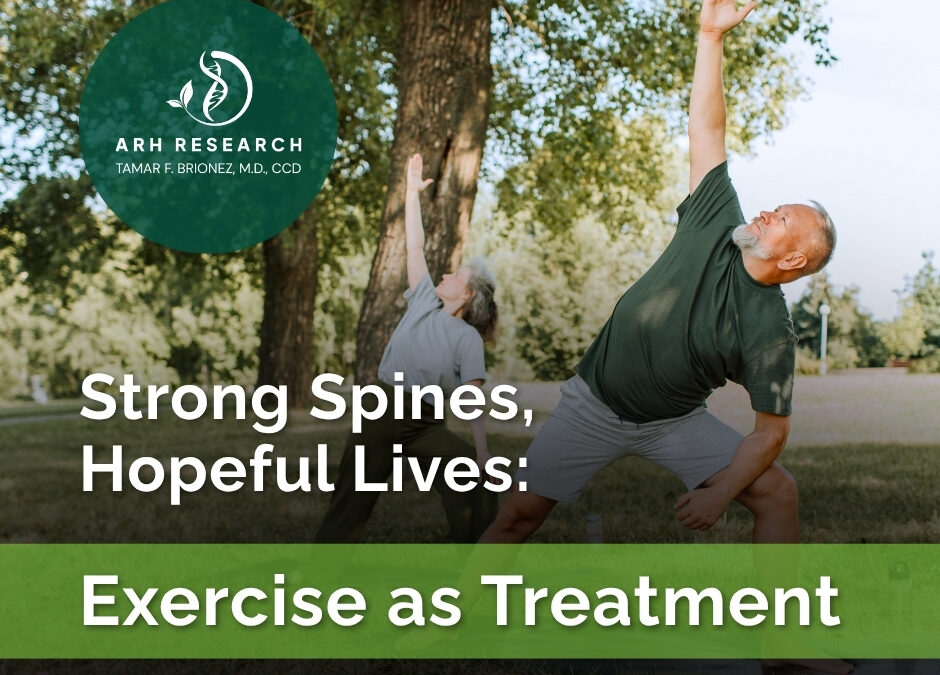
For people living with ankylosing spondylitis, exercise is more than just a way to stay active – it’s one of the most effective strategies for managing symptoms, preserving mobility, and improving their quality of life.
Research has shown that regular physical movement can help reduce pain and stiffness, improve flexibility and posture, and support long-term spinal health. Modern treatments take a holistic approach of combining medication with lifestyle strategies. Exercise is a cornerstone of a comprehensive ankylosing spondylitis treatment plan.
Understanding the benefits of physical activity and which types of exercise are most beneficial can help individuals with AS build stronger spines and improve their quality of life.
Benefits of Regular Exercise for People with AS
Regular exercise is one of the most effective non-medication treatments for Ankylosing spondylitis (AS). While medications play an important role in controlling inflammation, exercise is essential for managing the physical aspects of the disease.
One of the primary symptoms of AS is stiffness, particularly in the lower back and hips. This stiffness is often worse in the morning or after prolonged inactivity. Stretching and mobility exercises help keep joints moving and muscles flexible, making it easier to perform everyday tasks.
As AS progresses, inflammation can contribute to changes in posture. Exercises that strengthen the core, back, and shoulder muscles help to support proper alignment and improve posture.
Exercise offers benefits beyond physical activity. Many people with AS experience fatigue. Although exercise can be challenging, especially during flare-ups, movement can actually help reduce symptoms. Exercise increases blood flow, loosens tight muscles, and helps keep joints lubricated and functioning properly. It can also help combat fatigue by improving cardiovascular health and increasing energy levels.
Living with a chronic condition affects more than just a person’s physical health. Persistent pain, fatigue, and difficulties performing daily activities can leave them feeling stressed, frustrated, or depressed. Exercise can improve mental health by stimulating the release of endorphins, improving sleep quality, and reducing stress levels.
Types of Exercise That May Help
There is no “one-size-fits-all” exercise routine for people with AS. Each person’s program depends on their symptoms, fitness level, and overall health. However, a well-rounded exercise routine addresses flexibility, strength, and cardiovascular health.
Stretching is essential for people with AS. It helps reduce stiffness, improve posture, and maintain flexibility. In the morning, stiffness tends to be at its worst, so starting each day with a gentle stretching routine can be beneficial. Focusing on the neck, back, shoulders, and hips helps to preserve range of motion and make movement more comfortable.
Building and maintaining muscle strength can help support the joints and spine. Strength-training exercises that target the core, back, legs, and upper body can improve stability and posture. Strong muscles make daily activities easier. Resistance bands, free weights, exercise machines, and bodyweight exercises are all effective when done properly.
Aerobic exercise supports heart health, endurance, and overall fitness while also helping to combat fatigue. Low-impact activities, such as swimming, walking, and bicycling, are often recommended as they place less stress on the joints. Water-based activities are often beneficial because the water supports body weight while allowing the joints to move freely.
Creating a Safe Exercise Routine
The right exercise routine helps improve flexibility, strength, cardiovascular health, and overall function, but pushing too hard or choosing inappropriate activities can lead to injury. Developing a safe, sustainable routine helps individuals reap the benefits of exercise while minimizing unnecessary strain on the body.
A safe exercise routine starts slowly and progresses gradually, especially for people who are new to exercise or returning after a long period of inactivity. Small, consistent efforts are often more effective than strenuous, high-intensity workouts that may be difficult to maintain. Building exercise into a daily routine helps to establish healthy habits and support long-term success.
Expert Commentary: Exercise as Part of a Comprehensive Treatment Plan
For people living with AS, exercise should not be viewed as an optional wellness activity, but as a key component of effective disease management.
Healthcare professionals increasingly promote a comprehensive approach to AS treatment that combines medical therapy with lifestyle interventions. While medications can help reduce inflammation and pain, they don’t replace the benefits of daily movement.
For eligible individuals, as part of our Ankylosing Spondylitis Treatment Study, we will help with developing a safe and effective exercise program tailored to their needs.
Together, medicine and exercise can help individuals living with AS achieve better outcomes than either approach alone.

Frequently Asked Questions
1. Can exercise really help ankylosing spondylitis?
Yes. Regular exercise is considered one of the most important non-medication treatments for AS. It can help reduce stiffness, improve flexibility, and strengthen the muscles that support the spine.
2. What types of exercises are best for people with AS?
Many people with AS benefit from a combination of stretching, strength training, aerobic exercises, and posture-focused activities. Low-impact exercises such as walking, swimming, cycling, yoga, and Tai Chi are often recommended because they improve mobility and fitness while minimizing stress on the joints.
3. Should I exercise during an ankylosing spondylitis flare-up?
In many cases, gentle movement can still be beneficial during an AS flare-up. Activities such as stretching, walking, or range-of-motion exercises can help reduce stiffness. However, it’s important to listen to your body and avoid any exercises that increase pain. If your symptoms are severe, consult your healthcare provider for guidance.
4. Is exercise a substitute for medication in treating AS?
No. While exercise is a key component of ankylosing spondylitis management, it is not a replacement for prescribed medical treatment. Medications can help control inflammation and slow the progression of the disease, while exercise helps with flexibility, strength, and physical function. For most people, the best results come from a comprehensive treatment plan that combines medicine and regular physical activity.