
Osteoarthritis (OA) is the most common form of arthritis. Because it causes the cartilage that cushions your joints to wear down over time, OA is a leading cause of joint pain for millions of adults over the age of 45. Although there is no cure, understanding more about this condition and how it affects the body can help you recognize symptoms earlier and know when to seek the care of a rheumatologist.
Which Joints Are Most Affected by Osteoarthritis?
OA is a degenerative disease that can affect any joint, but certain high-use joints seem to be more vulnerable than others.
Knees
Because knees bear most of your body weight, they tend to absorb significant stress throughout the day whether you’re walking, climbing stairs, or even just standing. Over time, the cartilage in knee joints is prone to breakdown, especially if you have previous injuries, are carrying excess body weight, or engage in repetitive stress activities (e.g., jogging).
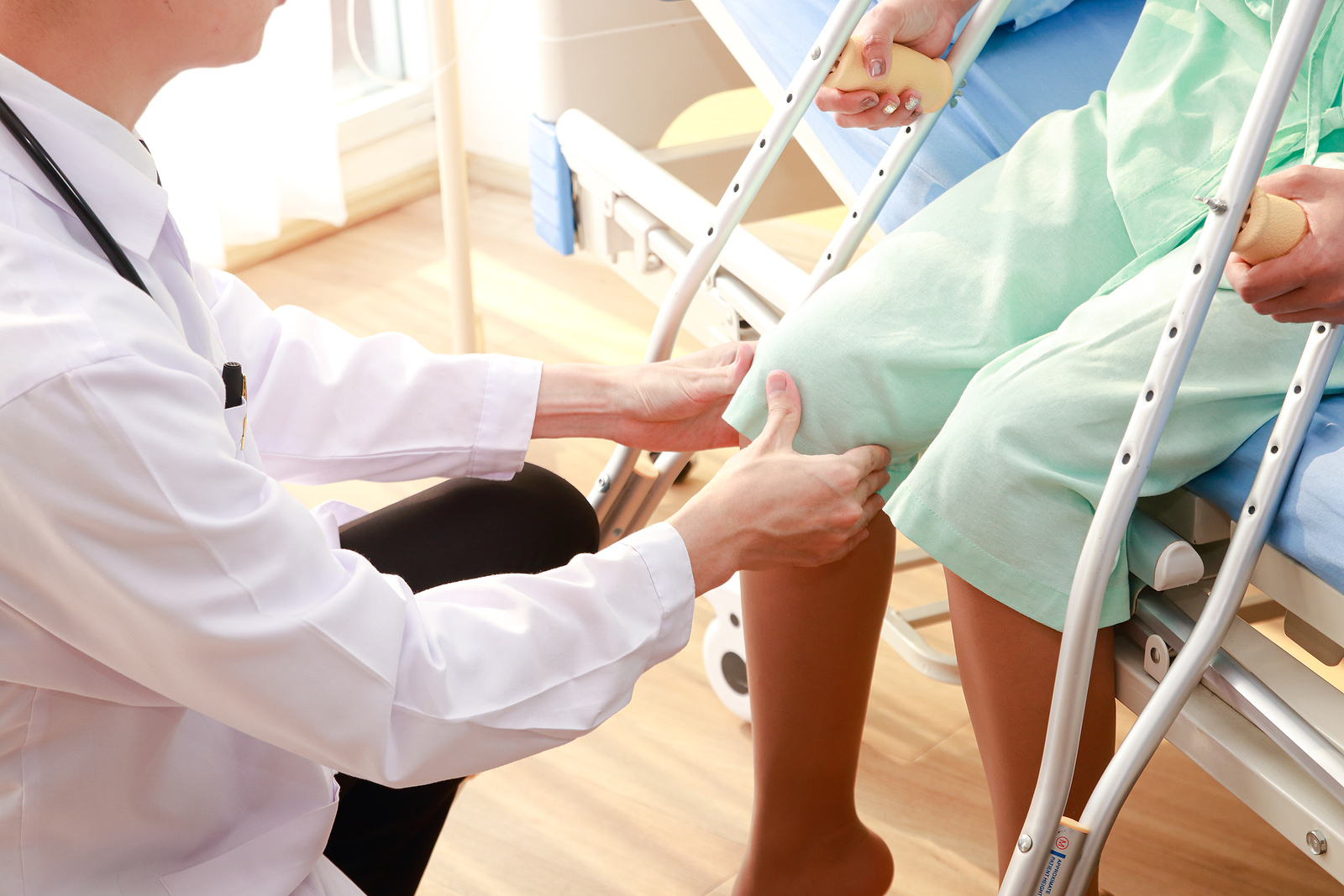
When OA affects your knees, you might notice pain during or after movement and have difficulty climbing stairs or rising from a seated position. Stiffness and swelling are also common symptoms, especially in the morning or after a period of inactivity. Some people describe a grinding or clicking noise and sensation in their knees as well.
Hips
The ball-and-socket nature of hips joints allows for smooth movements when walking, bending over, or rotating your body. OA in your hips leads to loss of cartilage, which increases friction in the joint.
Because patients sometimes experience pain in the groin, thigh, or buttock area in the early stages, OA in the hips can be mistaken for muscle strain or back problems. As symptoms progress gradually, though, you may notice stiffness and reduced range of motion, difficulty bending over to put on socks and shoes, and increased pain after prolonged standing or walking.
Hands
Unlike knees and hips, the hands are not weight-bearing joints, but they are high-use joints, and years of repetitive stress can contribute to cartilage breakdown in the small joints of the hands, especially the end joints of fingers, the middle finger joints, and the base of the thumb.
Symptoms of OA in the hands include:
- Stiffness, swelling, and pain
- Bony enlargements at the finger joints
- Decreased grip strength
- Increased difficulty with fine motor tasks (e.g., buttoning or unbuttoning clothing)
Spine
When it comes to the spine, OA most commonly affects joints in the neck and the lower back, often leading to inflammation and sometimes bone spurs. Depending on the location, OA in the spine can cause pain in the neck or lower back, stiffness, reduced flexibility, and nerve irritation that results in numbness or tingling sensations in affected areas. Left untreated, spinal OA can eventually negatively impact posture and daily functioning.
What To Do If You Are Experiencing OA Symptoms
Many people assume that joint pain is an inevitable part of aging, however, if you are experiencing any of the symptoms outlined above, schedule an appointment for an evaluation with a rheumatologist.
Symptoms of OA can be similar to those of several inflammatory or autoimmune diseases, and the qualified rheumatologists at Advanced Rheumatology of Houston can appropriately diagnose your symptoms and work with you to create an appropriate treatment plan. Beginning treatment early can lead to reduced pain and improved mobility as well as slow disease progression and potentially prevent long-term joint damage.
Don’t wait. Schedule an appointment today!